
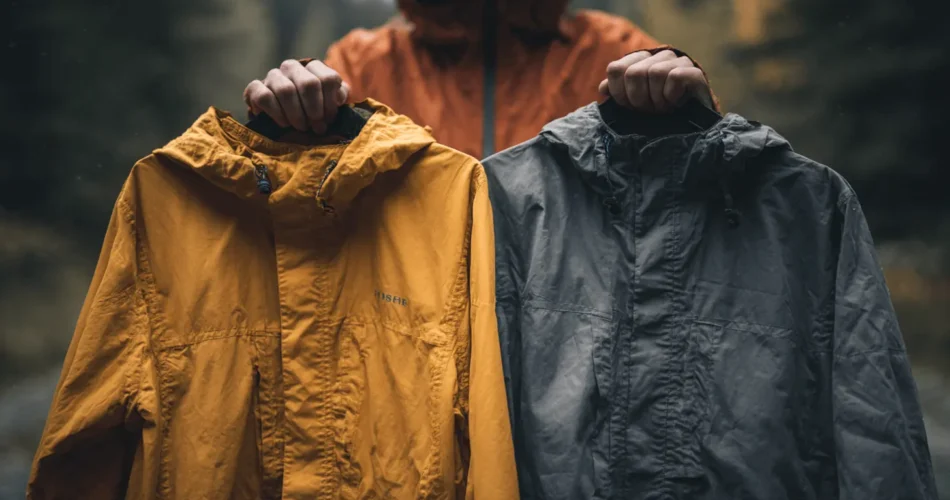
We’ve all been there: checking the forecast before a hike and seeing “chance of showers” next to a wind warning. You grab the lightest shell you own and think, “A jacket’s a jacket, right?” But when it comes to staying dry and comfortable, the difference between a windbreaker and a rain jacket is not just semantics—it’s a matter of technical construction and functional purpose.
So, can you use a windbreaker as a rain jacket? The definitive answer is no, and understanding why is key to choosing the right gear for your next adventure.
Related Articles
Is a Windbreaker a Rain Jacket?
How Should a Ski Jacket Fit
How to Restore DWR
The Core Difference: Protection Level
While both garments sit on the outside of your layering system, they are engineered to tackle fundamentally different environmental threats.
What Makes a Jacket Truly Waterproof?
A rain jacket’s main job is to act as an absolute physical barrier against external moisture, including heavy downpours and sustained wind. This isn’t just about the fabric—it requires sophisticated technology to protect you from the rain outside while allowing sweat and moisture vapor (perspiration) to escape from the inside.
To be considered truly waterproof, a jacket must meet two major requirements:
- High Hydrostatic Head (HH) Rating: This measurement quantifies the water pressure a fabric can withstand before water penetrates. For a jacket to be functionally “rainproof,” it generally needs a rating of at least 10,000mm. For serious adventurers facing extreme weather or prolonged exposure (like mountaineering), you should look for 15,000mm or even 20,000mm or greater. The concentrated pressure from carrying a heavy backpack would easily force water through lower-rated materials.
- Sealed Seams: This is arguably the most critical component. Every stitch creates a tiny hole, which serves as a channel for water penetration, especially under pressure. A waterproof jacket must have its seams fully taped or sealed using waterproof tape and heat, which closes these vulnerability points.
What Does a Windbreaker Actually Do?
A windbreaker (or wind-resistant jacket) is optimized primarily for superior wind management and breathability during high-output activities like running or cycling.
The essential mission is to shield you from wind chill—the most underrated cause of heat loss in the outdoors—which helps you maintain a stable core temperature.
- Water Resistance, Not Waterproofing: While most windbreakers have a Durable Water Repellent (DWR) coating on the outer fabric, this only helps water bead up and roll off for a brief period, resisting light mist or drizzle. If you get caught in heavy or continuous rain, a windbreaker will quickly soak through and won’t keep you dry.
- Maximum Breathability: Windbreakers are designed to be extremely breathable to let sweat escape efficiently, preventing you from overheating and getting saturated from the inside.
Technical Showdown: Windbreaker vs. Rain Jacket
The construction methodologies are what truly separate these two gear categories.
| Feature | Windbreaker (Water-Resistant) | Rain Jacket (Waterproof) |
| Primary Function | Blocks wind chill; maximizes breathability. | Prevents liquid water ingress under pressure. |
| Water Protection | Water-Resistant (drizzle, mist). | Waterproof (heavy downpours). |
| Seam Sealing | Absent; seams are stitched failure points. | Mandatory; fully taped or sealed seams required. |
| Minimum HH Rating | Below 10,000 mm (often unrated). | 10,000 mm minimum for “rainproof”. |
| Construction | Typically single-layer, lightweight, and tightly woven synthetic fabric. | Multi-layer (2L, 2.5L, 3L) with an integrated membrane. |
Architecture Matters: Understanding Layers
Rain jackets employ complex, multi-layer construction to protect the waterproof membrane, whereas windbreakers are usually minimalist, single-layer designs focused on lightness.
Here’s a quick breakdown of rain jacket layering systems:
- 2-Layer (2L): These are often the simplest and most affordable. The outer fabric is bonded to a waterproof/breathable membrane, and a separate, loose-hanging liner (like mesh or nylon) is used for comfort and protection. They tend to be heavier and bulkier.
- 2.5-Layer (2.5L): This is a great balance of protection and weight. It includes the outer fabric and membrane, but instead of a full fabric liner, a lightly sprayed or painted-on protective coating (the “half-layer”) is applied to the inner membrane. They are less durable than 3L but are lighter and more packable.
- 3-Layer (3L): This is the premium standard. The waterproof membrane is laminated between a durable outer face fabric and a protective inner lining (scrim). This construction offers the best, most consistent rain protection and durability in the worst storm conditions, but it is typically thicker, stiffer, and the most expensive.
When to Choose Your Adventure Partner
The best jacket for you depends entirely on the activity, budget, and the specific weather risks you face.
Grab a Rain Jacket When…
You need maximum protection and durability.
- The Forecast is Nasty: Expecting heavy, sustained rain, or wet snow.
- High-Altitude/Backcountry: Where severe weather is a real safety concern (hypothermia risk).
- Carrying Weight: If you have a heavy backpack, the straps exert pressure that requires the structural resilience and sealed seams of a true rain shell.
- Top Picks:
- Best All-Arounder: The Patagonia Torrentshell 3L provides dependable weather protection and strong water resistance at a reasonable price, ideal for hikers, commuters, and travelers. Price: $179 List. (Check Price at Backcountry, REI, or Evo).
- Premium Protection: The Arc’teryx Beta SL is the top-tier choice for elite-level waterproofing and extreme environments, featuring advanced Gore-Tex. Price: $500 List. (Check Price at REI or Evo).
Go for a Windbreaker When…
You are prioritizing breathability and lightweight portability.
- High-Output Activity: Trail running, cycling, or fast hiking where sweat buildup is the main concern.
- Wind Chill Protection: When it’s cool, dry, or mildly misty, and you need to block the wind without trapping heat.
- Just-In-Case Layer: They are often ultralight and pack down incredibly small (sometimes into their own pocket), making them perfect for stashing in a pack where weight is critical.
Conclusion: They Are Complementary Tools
The idea that a windbreaker is a rain jacket is technically inaccurate because the windbreaker lacks the mandatory sealed seams and high hydrostatic rating required for true waterproof protection.
Rather than viewing it as an either/or dilemma, the most effective strategy for serious outdoor enthusiasts is to own both garments. The windbreaker manages your internal climate during high-exertion efforts and blocks wind chill, while the dedicated rain jacket is reserved as an essential safety tool for severe, sustained precipitation. By including an efficient, lightweight option of each in your gear kit—for just a few ounces of weight—you gain the versatility and peace of mind to face unexpected weather confidently.