
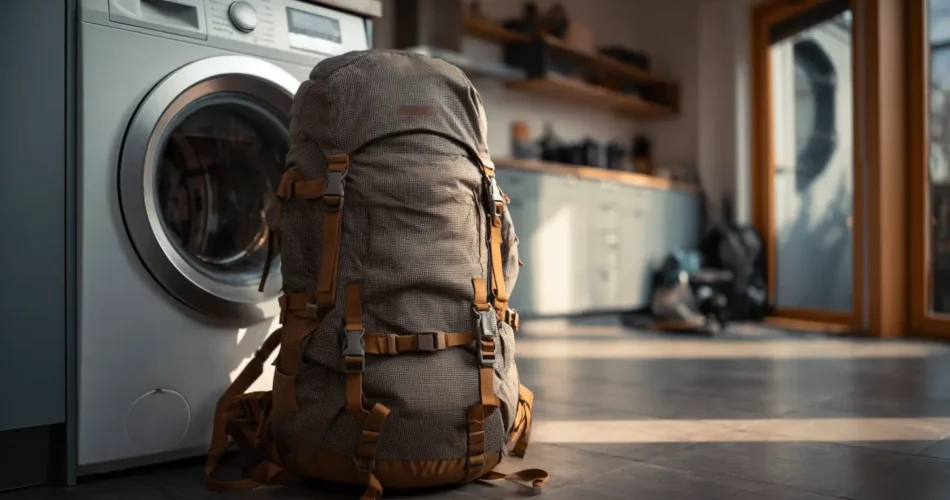
We’ve all been there: coming home after a tough trip, peeling off a mud-caked pack, and staring wistfully at the washing machine. It’s quick, efficient, and promises uniform cleaning. But that trusty pack, which carried you through mountains and miles, isn’t just a simple bag; it’s a carefully engineered piece of equipment featuring protective coatings, stiff frames, and delicate components.
So, can you toss it in the wash? The short answer is: it depends entirely on what kind of backpack you have. For most specialized outdoor gear, the technical experts overwhelmingly advise against it, citing a high risk of often irreversible damage.
Related Articles
How to Clean and Preserve an Outdoor Backpack
How Much Weight Can a Backpack Really Hold?
Daypack vs Backpack: Which One Should You Choose?
Here is the comprehensive breakdown on whether machine washing is worth the risk, and how to properly care for your gear to keep it performing like new.
The Conditional Verdict: When to Machine Wash (and When to Run)
The conclusion on automated cleaning is conditionally acceptable. You can safely machine wash basic, low-cost book bags made from durable, non-coated materials like standard nylon, polyester, or canvas.
However, for virtually all technical packs, performance luggage, and any pack used for serious hiking or mountaineering, machine washing is strongly contraindicated. Manufacturer guidance typically advises manual cleaning to prevent degradation and damage.
Why Hand Washing Is the Recommended Standard
The fundamental conflict lies between the desire for time efficiency and the mandate for durability. Technical equipment manufacturers caution that internal tumbling and chemical exposure lead to functional damage—specifically, compromised waterproofing and structural weakening—that drastically reduces the product’s intended lifespan.
The labor-intensive method of hand washing remains the universally recommended standard for maintaining the durability and performance characteristics of specialized equipment.
| Feature | Machine Washing (Gentle Cycle) | Hand Washing (Recommended Standard) |
|---|---|---|
| Abrasion and Mechanical Risk | High. Internal tumbling damages structural fibers and foam | Low. Allows targeted, precise, and gentle scrubbing |
| Coating Integrity PU and DWR | High risk of accelerated failure including stripping and hydrolysis | Optimal preservation with minimal interference to chemical finishes |
| Time and Labor Investment | Low. Convenient and fast | High. Requires careful manual scrubbing and thorough rinsing |
| Recommended For | Basic bookbags and some frameless nylon or polyester sports bags | All technical packs, performance luggage, and packs with frames, leather, or suede |
The Risks: Why Washing Machines Destroy Performance Gear
The mechanical and chemical stresses imposed by a washing machine are the main culprits behind accelerated gear failure.
1. Compromising Protective Coatings (The Unseen Damage)
Modern technical packs rely on engineered textile systems with crucial protective finishes. Machine washing strips these away:
- Polyurethane (PU) Coating Integrity: Most durable packs use an internal Polyurethane (PU) coating for waterproofing. Tumbling generates significant internal abrasion, mechanically deteriorating this layer. Chemical interaction from detergent residue, combined with absorbed sweat and UV exposure, accelerates hydrolytic degradation. This is the process that leads to the characteristic flaking, stickiness, or delamination observed in degraded gear. In fact, aggressive machine washing protocols are sometimes intentionally used to strip old, degraded PU coatings entirely before re-treatment, proving its destructive capacity.
- Durable Water Repellent (DWR) Finish: DWR is the external finish that causes water to bead up. The combination of intense mechanical agitation and surfactants (detergents) interferes with the microscopic structure of the DWR, decreasing the fabric’s surface tension and causing it to “wet out” (absorb moisture) quickly.
2. Mechanical Mayhem and Component Failure
The turbulent wash environment can physically damage rigid and plastic parts:
- Structural Component Risks: Many load-bearing packs contain internal frames (metal or rigid plastic) designed to distribute weight. If these frames are not or cannot be removed, the intense forces and collisions of the wash cycle can bend or fracture the frame elements. Furthermore, stiff components pose a substantial risk of physical damage to the washing machine drum itself.
- Zipper and Buckle Failure: Straps, compression cords, and webbing are prone to entanglement. This turbulence can rip plastic buckles away from their stitching points or cause them to snap.
3. Detergent Chemistry and Trapped Residue
Standard laundry products are detrimental to technical textiles:
- Chemical Interference: Harsh detergents, chlorine bleach, and especially fabric softeners contain additives that chemically weaken nylon and polyester fibers and leave residues that actively interfere with both PU and DWR coatings.
- Health Implications (Contact Dermatitis): A common issue is the retention of detergent residue within the dense foam padding of hip belts and shoulder straps. When you sweat during use, this trapped residue is reactivated, potentially leading to contact dermatitis and significant skin irritation. This risk reinforces the necessity of using only mild, fragrance- and additive-free detergents, and meticulous rinsing.
Comprehensive Pre-Wash Protocol (Mandatory Steps)
Meticulous preparation is the most critical phase, drastically reducing the likelihood of physical damage, regardless of whether you choose to hand wash or machine wash.
1. Clear and Extract Debris
- Empty completely: Ensure every pocket and compartment is open and empty.
- Shake out: Vigorously shake the pack to remove loose dirt, sand, and crumbs.
- Vacuum: Use a vacuum cleaner attachment (especially the crevice tool) along all internal and external seams and corners to extract settled particulate matter.
2. Component Disassembly (Non-Negotiable for Technical Packs)
- Remove the Frame: Any internal metal or rigid plastic frames must be removed, safeguarding the frame and the washing appliance. Consult your owner’s manual for the correct procedure.
- Remove Detachable Straps/Belts: Detachable hip belts and shoulder straps should be removed and washed separately. These padded parts absorb the most sweat and oil and require targeted deep cleaning and rigorous rinsing.
3. Targeted Pre-Treatment
General washing cycles may not lift set stains effectively.
- Mix approximately one teaspoon of mild detergent with lukewarm water.
- Apply this solution directly to visible stains using a soft-bristled brush or sponge.
- Allow the solution to set for up to 30 minutes before gently scrubbing.
4. Protective Casing (If Machine Washing)
If you decide to machine wash (only for suitable packs, see Table 2), the pack must be enclosed in a protective barrier.
- Use a dedicated laundry bag, garment bag, or securely tied pillowcase.
- This casing physically contains all straps, buckles, and zipper pulls, preventing them from tangling, snagging, or damaging the washing machine drum.
Machine Washing Methodology (The High-Risk Path)
If your backpack is a basic bookbag made purely of resilient nylon, polyester, or canvas and has no specialized coatings, frames, or leather, you may proceed with extreme caution.
Table 2: Material Suitability and Care Recommendations
| Backpack Material | Machine Wash Safety | Key Caution/Precaution |
| Nylon, Polyester, Canvas (Basic) | Conditional Yes | Requires Gentle cycle, cold water, and a protective bag. Accept risk of long-term DWR loss. |
| Leather or Suede Trim/Panels | No | Must be hand-cleaned using specialized dry methods or alcohol solutions; immersion is prohibited. |
| Heavy-Duty Technical Packs (PU/DWR Coated) | Strong Avoidance | Hand wash required to maintain PU integrity; machine washing accelerates coating failure. |
| Packs with Non-Removable Frames | No | High risk of damage to the frame and the washing machine drum; strictly hand wash. |
Optimal Washing Machine Parameters
Strict adherence to these settings is mandatory to mitigate the high risk involved:
- Cycle Selection: Use the Gentle or Delicate Cycle to minimize agitation and mechanical abrasion.
- Water Temperature: Use Cold or Lukewarm Water only. Hot water is strictly forbidden as it causes material shrinkage, color fading, and can degrade adhesives or warp plastic components.
- Detergent Choice: Utilize a mild, liquid detergent that is non-bleach, fragrance-free, and additive-free. Minimize the amount used to facilitate a cleaner rinse. You should use powdered non-detergent soap.
The Gold Standard: Expert Hand Washing
Hand washing is the superior cleaning methodology for technical and durable goods, providing unparalleled control and protecting material integrity.
1. Setup and Scrubbing
- Fill a sink, large basin, or bathtub with approximately six inches of lukewarm water.
- Add a single tablespoon of mild, low-foaming detergent.
- Submerge the pack and use a soft sponge or cloth across the main textile body.
- For heavily soiled areas (straps, mesh, seams), a soft-bristled brush can be employed, but scrub gently to avoid harming coatings.
- Turn the bag inside out to thoroughly scrub the interior lining.
2. The Critical Rinsing Protocol
Rinsing is the most critical aspect because residual soap severely compromises longevity and performance.
- Drain the soapy water and immediately refill the container with clean, cool water.
- Submerge the pack and gently massage and compress it repeatedly.
- Repeat this refilling and rinsing process until the water draining from the pack is entirely clear and displays no sign of suds or detergent foam. This meticulousness prevents detergent residue from becoming trapped, mitigating PU degradation and skin irritation risks.
3. Specialized Care for Leather and Suede
If your pack has leather or suede, immersion in water is strictly prohibited.
- Remove loose dirt using a clean, dry cloth or a specialized suede brush.
- For stubborn stains, gently apply a homemade solution of plain white vinegar or rubbing alcohol using a clean cloth.
- After the material dries completely, brush the suede again to raise the nap, or apply a dedicated leather conditioner to restore moisture to finished leather components.
Post-Cleaning Care and Performance Restoration
The steps taken immediately after washing are just as crucial as the cleaning itself.
1. The Non-Negotiable Drying Protocol
- Avoid Machine Drying: The use of a clothes dryer is unequivocally prohibited. Heat causes irreversible shrinkage, warps structural components, and rapidly degrades or melts plastic elements and protective coatings.
- Air Drying Technique: Remove the pack promptly. Gently pat away excess moisture with an old towel.
- Air dry the pack by hanging it upside down in a well-ventilated location protected from direct sunlight.
- Crucially, all pockets and zippers must be fully opened. Hanging upside down ensures water drains fully, preventing mildew growth and mitigating hydrolytic damage to the internal PU backing caused by prolonged dampness.
2. DWR Restoration (For Technical Gear)
Cleaning will invariably compromise the existing DWR layer, even with gentle methods. Restoration is a necessary step to ensure ongoing weather resistance.
- Preparation: The pack must be completely free of conventional detergent residue. Some technical washes are specifically designed to strip lingering surfactants (like Nikwax wash or other technical washes).
- Application: Apply a dedicated spray-on DWR treatment (such as ReviveX) uniformly across the exterior fabric. Specialized formulas like fluorocarbon-based repellents are often considered highly durable, though non-fluorocarbon options like Nikwax are available and environmentally safer.
- Activation: Many DWR chemical formulations require heat to properly bond. Allow the pack to air dry slightly, then follow the product’s instructions to set the coating, often requiring drying the item on a low or medium heat cycle.
Frequently Asked Questions
Can you put a backpack in a washer and dryer?
Never machine wash or machine dry your travel gear or accessories unless explicitly stated on the care label. Machine washing risks damaging the product and may void the manufacturer’s warranty. Machine drying is prohibited because the heat and tumbling action can damage or shrink the material, degrade coatings, and melt plastic components.
What mode should I wash my backpack on?
If you must machine wash, always use the Gentle or Delicate Cycle with cold water. Cold water helps prevent colors from fading and minimizes the risk of shrinking, while the delicate cycle minimizes agitation to protect the fabric and construction.
Should you wash a backpack open or closed?
When washing a backpack (by hand or machine), you must open all the pockets and zippers before starting. If using a washing machine, insert the opened pack into a mesh laundry bag. This ensures thorough cleaning of all areas and prevents items left inside from being damaged or tangled.
Conclusion: Durability Over Convenience
While the washing machine offers tempting convenience, the viability of automated cleaning for backpacks is subject to severe material and structural constraints.
For high-performance or specialized packs—defined by DWR treatments, PU coatings, or internal frames—the mechanical and chemical stress of a washing machine accelerates material degradation, compromising engineered function, especially waterproofing, and significantly shortens the gear’s expected service life.
Expert Recommendations for Long-Lasting Gear:
- Prioritize Hand Washing: Hand washing in lukewarm water with a mild, additive-free detergent is the definitive standard for all backpacks designed for longevity or performance.
- Ensure Rigorous Preparation: Always meticulously remove debris, frames, and detachable straps beforehand to prevent damage to both the gear and the appliance.
- Strict Adherence to Drying Protocol: Air drying is non-negotiable. Heat exposure causes irreversible damage. Hang the pack upside down in a well-ventilated space, with all pockets open, to ensure full drainage and prevent mildew and chemical damage.
- Restore Performance: View cleaning as a maintenance step that must be completed by restoring the external DWR layer using specialized treatments to ensure ongoing weather protection for technical gear.
Think of your backpack like a piece of complex sailing equipment rather than a towel. You wouldn’t throw a delicate navigation device into a tumbler. Treating your pack gently ensures it remains a dependable companion, ready for the next adventure.