
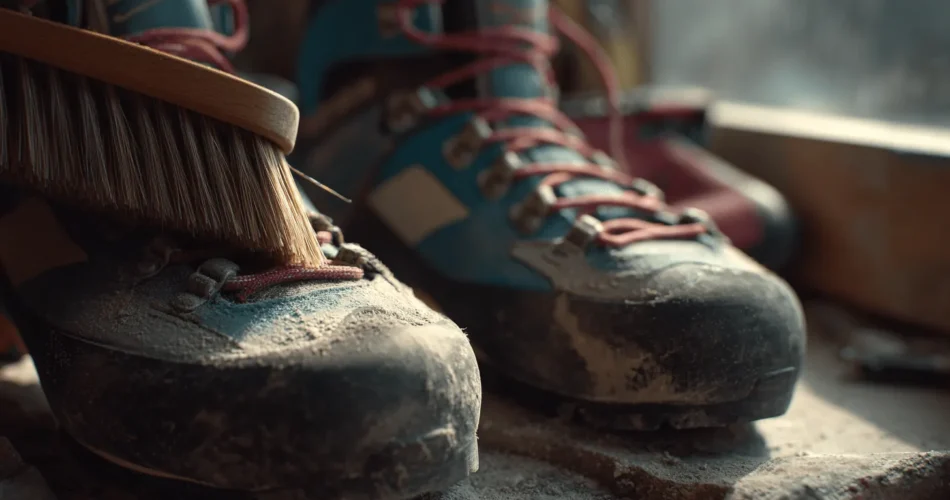
We all know that a good pair of climbing shoes is absolutely essential for crushing routes, whether you’re indoors or out on the rock. But let’s be honest: those perfectly molded, high-performance slippers quickly develop an unforgettable scent. The inevitable, sometimes “unbearable” smell is caused by bacteria thriving on accumulated sweat and dead skin inside the shoe, especially since most climbers go sockless.
Before you panic and throw your beloved “dream shoes” into the washing machine—a move that risks structural failure—read this comprehensive guide. Proper care won’t just make life bearable for your climbing partners; it will extend your shoe’s life and help maintain its crucial grip.
Related Articles
How to Stretch Out Tight Rock Climbing Shoes
What to Wear Rock Climbing
How to Wash a Rock Climbing Rope
Why Cleaning Your Climbing Shoes Is Crucial
Cleaning climbing shoes goes beyond just odor management; it’s critical for performance and longevity.
- Maintain Grip: Dirt, dust, and worn-out rubber create a layer on the sole that drastically reduces friction, or “stickiness”. A clean sole is essential for maximizing the coefficient of friction against the rock or plastic holds.
- Extend Lifespan: Regular cleaning prevents dirt and debris from wearing down materials over time. The salt from sweat can also reduce the elasticity and strength of the shoe materials.
- Combat Odor and Bacteria: The smell originates from bacterial metabolic activity on sweat and organic matter. Eliminating this breeding ground is crucial for hygiene.
Preventative Care: Stopping the Stink Before It Starts
When it comes to climbing shoes, prevention is the single most effective way to reduce existing stench and prevent future smells.
1. Master Moisture Management
Since sweat is the primary food source for odor-producing bacteria, immediate and thorough aeration is critical.
| Action | Why It Works |
| Air Them Out Immediately | Interrupts the microbial cycle by eliminating the warm, moist environment where bacteria thrive. |
| Never Store Them Wet | Do not seal sweaty shoes in a gym bag or backpack immediately after climbing. |
| Maximize Airflow | Clip your shoes to the outside of your bag or place them on an open shelf during transport and storage. |
| Take Them Off Between Climbs | Airing your feet and shoes out briefly after every route or pitch helps them dry quickly. |
2. Prioritize Foot and Gear Hygiene
- Clean Your Feet: Before climbing, wash or wipe your feet (baby wipes work well if water access is limited) to reduce the transfer of dead skin cells and bacteria into the shoe lining.
- Wear Socks (Maybe): If odor is a major concern, wearing thin, low-cut socks will absorb sweat, though this might slightly compromise sensitivity or stretch the shoe.
- Use Desiccant Products: Utilizing products like Boot Bananas or placing balled-up newspaper inside the shoes helps rapidly wick away bulk internal moisture after a session.
Dealing with the Funk: Odor Remediation
If proactive steps aren’t enough and the shoes start to stink, you need to address the high concentration of bacteria.
Deodorizing and Sanitizing Solutions
The strategy should combine deodorizers (which absorb the smell) and sanitizers (which kill the bacteria).
| Agent | Function | Application | Warnings |
| Baking Soda | Odor absorbent; changes acidity (less appealing to bacteria). | Sprinkle evenly inside the shoe and leave overnight; shake excess out before climbing. | Does not kill bacteria; effectiveness is transient. |
| Diluted Vinegar | Sanitizer (kills many bacteria). | Mix equal parts vinegar and water; spray lightly inside the shoe. | Requires thorough rinsing and complete air-dry cycle. |
| Rubbing Alcohol (IPA) | Sanitizer; solvent action (cleans rubber); aids rapid evaporation. | Spray a 50% solution of IPA and water inside the shoe. | Test on material first; effective but avoid highly concentrated applications. |
Deep Cleaning: Hand Washing for Structural Integrity
When grime, sweat salts, and odor persist, a careful hand wash is the safest procedure to avoid damaging the glue and materials.
Why Avoid the Washing Machine?
Do not wash your climbing shoes in a washing machine. Machine washing subjects the shoe to mechanical pounding, high water saturation, and thermal fluctuations, which can damage the rubber outsole, leather upper, laces, and adhesives. This can cause deformation, alter the fit, or lead to delamination.
Exception: Some synthetic models may be machine washable on a gentle, cold cycle if explicitly approved by the manufacturer, but hand washing is still the generally accepted standard.
Step-by-Step Hand Wash Guide
You’ll need a soft brush (an old toothbrush is ideal for reaching the footbed), a cloth, mild soap, and lukewarm water.
- Preparation: Remove laces or fully loosen Velcro straps.
- Pre-Scrub: Gently brush off any large, dried clumps of dirt or debris from the exterior.
- Clean Solution: Mix a small amount of mild liquid soap or detergent with lukewarm water in a sink or basin. Avoid hot or boiling water, as heat can break down the adhesives.
- Scrub Gently: Dip the brush or cloth into the soapy water and gently scrub the exterior, sole, and interior footbed using circular motions. The goal is to lift dirt and sweat salts.
- Rinse Thoroughly: Rinse the shoes immediately with clean, lukewarm water until the water runs clear and no soap residue remains. Soap residue can attract new dirt. Avoid prolonged soaking.
Restoring Performance: Cleaning the Rubber
Keeping the rubber clean is crucial because contaminants like chalk, dust, and mud compromise the rubber’s ability to stick.
- Routine Wipe: Wipe the soles and rands with a damp cloth or rag after each session to remove surface contaminants.
- Use Rubbing Alcohol: For caked-on residue or oils, freshen the rubber by lightly cleaning the soles with rubbing alcohol (Isopropyl Alcohol) using a cloth.
- Mechanical Resurfacing: If the rubber has become glossy or slick (oxidized/smoothed), you can carefully scuff it with coarse sandpaper or a wire brush to expose the fresh, darker rubber underneath. Be warned: This removes material and should only be done judiciously when performance is severely compromised, as it shortens the lifespan of the sole.
The Critical Drying and Storage Rules
Improper drying and storage are the fastest ways to destroy a pair of climbing shoes.
Do’s and Absolute Don’ts
| Action | Why? |
| DO Stuff them with newspaper or cloth | Helps absorb remaining moisture and allows the shoe to retain its engineered shape. |
| DO Air dry in a cool, ventilated area | Ensures complete drying without risk of warping. |
| DO Use a fan or boot dryer (air-only) | Accelerates drying time safely through accelerated airflow, not elevated temperatures. |
| DON’T Expose them to excessive heat | High temperatures soften the heat-sensitive adhesives, leading to premature delamination and deformation. |
| DON’T Leave them in a hot car or trunk | The high temperatures generated in a sealed car can exceed the safety threshold for the glues. |
| DON’T Dry them in direct sunlight | UV radiation can make the rubber brittle and damage the adhesives. |
| DON’T Stand on the heels | Slipping your heels out deforms the shoe’s structure, particularly the heel tension, which drastically shortens its functional lifespan. |
| Special Leather Care: | Apply a high-quality, wax-free leather conditioner to leather uppers after drying to prevent stiffness and cracking. |
Conclusion
Climbing shoes are an investment that directly impacts your success on the wall. Keeping them clean doesn’t need to be complicated or expensive; often, simple household remedies and proper drying practices are enough.
Remember this mantra: Preventative care is paramount. Focus on managing moisture immediately after climbing and maintaining strict thermal control by keeping them away from heat and direct sunlight. If a deep clean is needed, stick to the gentle hand-wash method using lukewarm water to keep the glue intact and the shape preserved. By giving your shoes a little attention every now and then, you ensure they perform better and last for many climbs to come. As the old saying goes: Clean shoes climb better!