
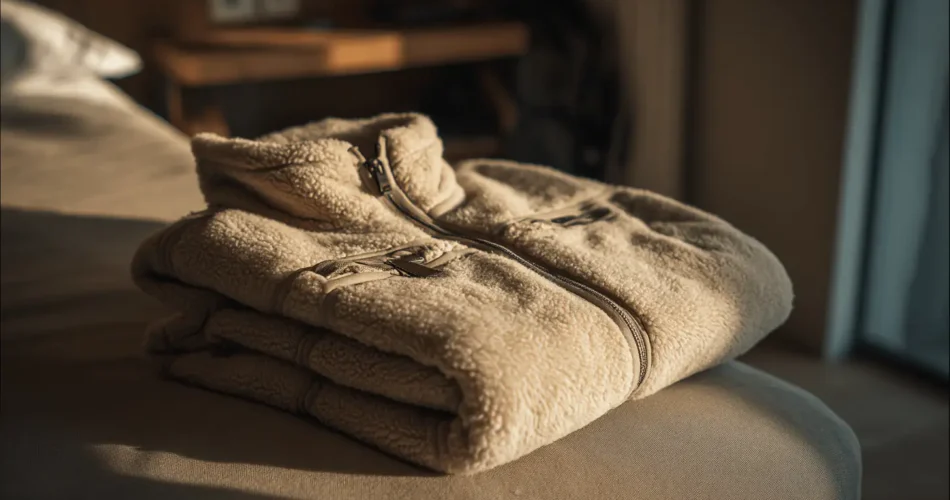
We all have that one favorite fleece jacket. It’s the cozy layer that keeps you warm whether you’re hiking a rugged trail or just curled up on the couch. Fleece is a genius material, mostly made from synthetic polyester fibers (yes, basically plastic). Its warmth comes from its high-loft, plush structure that traps air, providing fantastic insulation without the bulk.
But here’s the catch: these synthetic fibers are delicate, and if you treat your fleece like a pair of old jeans, you’re in for a shock. The wrong move can lead to pilling, matting, stiffness, and a serious loss of that insulating power.
Ready to give your cozy companion the care it deserves? Let’s dive into the definitive protocol for washing fleece.
Related Articles
What Is a Softshell Jacket?
Is a Windbreaker a Rain Jacket?
How to Wash a Waterproof Jacket
1. Pre-Game Prep: Setting Up for Success
The easiest way to ruin a fleece jacket is by ignoring the crucial steps you take before the wash cycle even begins. Think of these steps as essential risk management against abrasion and pilling.
Mandatory Preparations
- Check the Care Label First: This is non-negotiable! While most polyester fleece follows general rules, specific blends (like those with cotton or wool) or technical garments might have unique temperature or chemical needs.
- The Inside-Out Rule: Always turn your fleece jacket inside-out. This shields the delicate outer fibers from the washing machine’s friction, which is the leading cause of pilling. It also helps minimize color fading.
- Secure All Fasteners: Close every zipper, snap, and hook-and-loop closure (like Velcro). Exposed zippers or rigid hook closures are abrasive and can snag, tear, or cause localized pilling on the soft fleece fibers.
- Sort Smartly: Fleece attracts lint and is susceptible to damage from rubbing against rougher materials. Only wash your fleece with similar, soft, lightweight fabrics—think other fleece items or activewear. Never toss it in with heavy items like denim, canvas workwear, or towels.
- Consider a Mesh Bag: For premium or highly lofted fleece, placing it in a mesh laundry bag is highly recommended. This acts as an essential physical barrier to reduce friction, which helps with pilling prevention and also aids in containing microplastic fiber shedding.
2. Machine Washing 101: The Cold, Gentle Rule
The cornerstone of fleece care is avoiding high heat and mechanical aggression.
Machine Settings Checklist
| Setting | Recommendation | Why It Matters |
| Water Temperature | Cold Water Only | Heat is the enemy! Hot water can melt, fuse, or distort the synthetic fibers, leading to irreversible matting and shrinkage. |
| Wash Cycle | Gentle or Delicate Cycle | These cycles use lower agitation speeds, minimizing the mechanical stress that causes friction and pilling. |
| Spin Speed | Low Spin Speed | High centrifugal force can stress seams and cause the wet, heavy garment to stretch out of shape. |
| Rinsing | Extra Rinse Cycle | Synthetic fabrics hold onto chemical residue. An extra rinse ensures all detergent is removed, preventing stiffness and maintaining the fabric’s wicking ability. |
Detergent Dos and Don’ts
Use a mild liquid detergent for basic fleece. For technical or outdoor fleece, specialized technical cleaners are often better, as they are designed to clean without compromising performance or breathability. Products like Nikwax Tech Wash or Revivex Pro Cleaner are formulated to leave zero residue and maintain any DWR (Durable Water Repellency) coatings.
⚠️ Prohibited Products (The Veto List)
Certain common laundry products will chemically ruin your fleece:
| Product | Mechanism of Damage | Functional Impact |
| Fabric Softener (Liquid or Sheets) | Leaves a waxy/silicone coating on the fibers. | Destroys the fleece’s ability to wick moisture and breathe, drastically reducing insulation and thermal efficiency. |
| Chlorine Bleach | Contains harsh oxidizing chemicals. | Degrades the polyester, weakening the fibers, accelerating wear and tear, and causing color fading. |
Hand Washing: The Ultra-Gentle Method
For maximum fiber preservation, especially for older or delicate pieces, hand washing is the superior technique. Submerge the fleece in a basin of cool water with a small amount of mild liquid detergent. Gently compress and massage the fabric to circulate the solution. Rinse repeatedly with cool water until all soap residue is gone. Crucially, do not wring or twist the fabric to remove water, as this can cause permanent creasing and structural damage.
3. Tackling Tough Spots and Stains
Stains on synthetic fleece solidify when subjected to heat, so quick, cold treatment is key.
- Initial Defense: Soak the stained area immediately in cold water to loosen the stain without setting it.
- Pre-Treat: Apply a small amount of mild liquid laundry detergent directly to the spot, gently rubbing it in. You can also use home remedies like a paste made from baking soda and vinegar.
- Advanced Stain Removal (Blood, Sweat, Food Spills): For really stubborn stains, hydrogen peroxide is a gentle oxidizing agent that works well. You can create a powerful DIY solution:
- Mix 1 part water, 1 part liquid laundry detergent, and 1 part 3% hydrogen peroxide.
- Apply the solution to the stain and allow it to soak for about 10–15 minutes before washing as usual.
- Crucial Safety Note: Because hydrogen peroxide has mild bleaching characteristics, always test it first on an inconspicuous area (like an interior seam) using a cotton swab to check for colorfastness.
4. The Crucial Drying Step: Heat is the Enemy!
The drying phase presents the highest risk of irreversible damage because polyester has a low melting point.
The Preferred Method: Air Drying (100% Recommended)
Air drying is unequivocally the best way to dry a fleece jacket. It eliminates any risk of shrinkage or heat damage and helps preserve the fabric’s signature softness and loft.
- Gently press out excess water (do not wring).
- Lay the garment flat on a clean, dry surface or a drying rack. Hanging a water-saturated fleece on a hanger can cause the wet fibers to stretch and distort its shape.
- Allow it to dry naturally away from direct sunlight or concentrated heat.
Emergency Use: Tumble Drying Warnings
If machine drying is absolutely necessary, extreme caution is mandatory:
- Use the no-heat, low-heat, or air-fluff setting.
- Remove the fleece promptly as soon as the cycle is done to avoid exposure to any residual heat.
5. Advanced Maintenance: Restoring the Fluff and Fighting Pilling
Even with perfect care, fleece can eventually pill or lose its fluffy volume (loft).
Pilling Removal
Pilling—those tiny tangled fiber balls—is caused directly by abrasion. To restore the look, you need to physically remove the pills:
- Fabric Shavers: These battery-operated devices trim pills away cleanly.
- Depilling Combs: Tools designed to gently comb out the tangled fibers.
- Pumice Stones: These can be used carefully to scrape pills from the surface.
Remember: Be gentle, as excessive removal can reduce the overall fiber density over time.
Restoring Loft and Softness
If your deep-pile fleece jacket feels flat, stiff, or generally “matted,” its insulating capacity is compromised. You can physically restore the fluffiness (loft):
- While the fleece is still damp after washing, use a soft bristle brush (or a boar bristle brush, sometimes found at beauty supply stores).
- Gently brush the matted areas in small sections and in multiple directions to lift and separate the tangled fibers.
- A light spray of water or a mild vinegar mixture can provide temporary slip to aid the brushing process.
Understand that while brushing helps tremendously, especially on deep-pile fleece, it may not get it back to absolutely brand-new condition if the matting is severe.
6. Be a Green Laundry Warrior: The Microplastic Issue
Washing synthetic fleece releases minute particles called microplastics into the wastewater system. By following the best washing protocols, you are also helping the planet:
- Gentle Care = Less Shedding: Using cold water, a gentle cycle, and minimal agitation minimizes fiber breakage and reduces the material shed into the water supply.
- Use a Microfiber Catching Bag: Utilizing a specialized closed mesh laundry bag during the wash helps contain shed fibers before they enter the drain.
Conclusion
Caring for your fleece jacket is all about mitigating three enemies: heat, friction, and chemical residue. By sticking to cold water, a gentle cycle, and strict air drying, you ensure that the high-loft structure remains intact. This preserves its key performance features—warmth, breathability, and softness—for years of dependable service. A little extra effort in the laundry room is a major investment in the longevity and function of your favorite cold-weather gear!
Recommended Products & Services
Keeping your fleece in top shape sometimes requires specialized products or professional help.
| Product/Service | Purpose | Learn More/Purchase Options |
| Technical Cleaners | Specialized detergent (e.g., Nikwax Tech Wash, Revivex Pro Cleaner) to clean technical fleece without damaging DWR or wicking properties. | Search online retailers for: Nikwax Tech Wash or Revivex Pro Cleaner |
| Hydrogen Peroxide (3%) | Gentle stain remover and bleaching alternative for pre-treating tough stains like blood or sweat. | Available at most drug stores or general retailers. |
| Depilling Tools | Fabric shavers or depilling combs (e.g., Gleener or Uproot) to remove pills and restore a smooth appearance. | Search online for: Fabric Shaver or Depilling Comb |
| Professional Laundry Services | Services like Clotheslyne or Rinse offer expert cleaning and care for delicate items if you prefer professional handling. | Search for local availability via their respective apps (iOS/Android) or web portals. |