
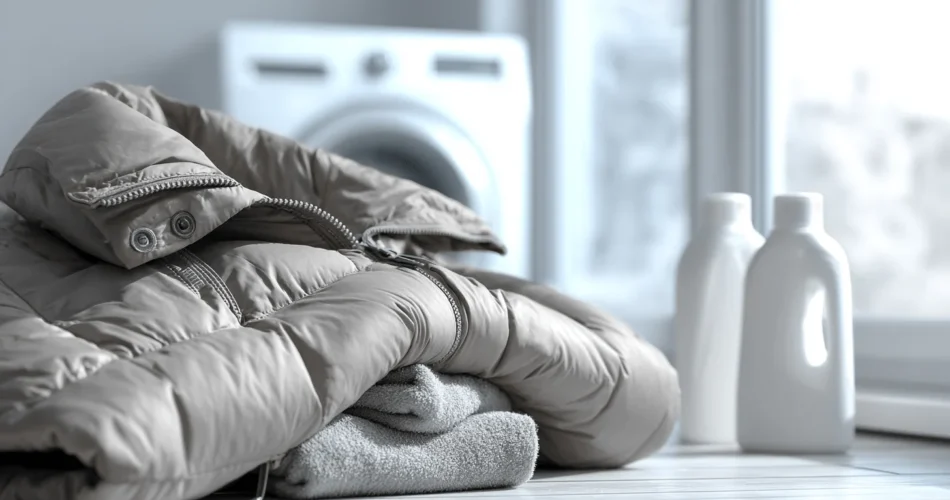
We all know that purchasing a down jacket is a rite of passage, whether it’s your basecamp buddy or your belay bestie. Down gear offers unbeatable warmth for its weight. But after countless hikes, trips, and campfire hangs, the grime sets in, and washing that expensive, beloved puffy can be absolutely terrifying!
You might have heard the horror stories about jackets turning into a lumpy, clumpy mess. Don’t worry, you can definitely wash your goose down jacket at home and restore it to its glorious, lofty condition, often making it even fluffier than before. The secret is following specialized procedures that are not the same as tossing a t-shirt in the laundry.
Here is your comprehensive, fear-busting guide to washing, drying, and caring for your down jacket.
Related Articles
How to Dry a Down Jacket
How to Wash a Waterproof Jacket
Is a Windbreaker a Rain Jacket?
1. Why Do I Need to Wash My Down Jacket Anyway?
Washing your down isn’t just about getting rid of smells; it’s crucial for performance.
When dirt, body oils, and sweat build up, they compromise the integrity of the insulation.
- Loss of Loft: When down clusters get mucky, the baffles (the stitched pockets that hold the down) flatten, and the down clumps together. It’s this fluffy loft that traps air and keeps you warm, so keeping it clean is essential for staying cozy.
- Thermal Failure: Wet or dirty down loses its insulating power because water conducts heat away from your body up to 25 times faster than air.
- Restoration: Properly washing and drying your gear removes performance-reducing contaminants and allows the down clusters to restore their maximum loft.
How Often Should You Wash It?
It depends on your use, but definitely give it a clean when it gets damp or seriously wet. Many people wash their down gear at the end of each season to prep for the next year. If you wear it several times a week, washing it monthly or once or twice a year may be necessary.
2. Mandatory Supplies: Skip the Standard Detergent!
This is the most critical step: Never use regular laundry detergent or fabric softener!.
Conventional detergents contain harsh surfactants and enzymes that strip the down feathers of their essential natural oils, which provide moisture resistance. Detergent residue left behind also causes the down to become hydrophilic (water-attracting), leading to clumping and thermal failure.
You need a specialty cleaner specifically formulated for down:
| Item | Why You Need It | Recommended Products (Click to Purchase) |
| Down Wash | Cleans without stripping natural oils, revitalizes insulation, and often restores the Durable Water Repellent (DWR) finish on the outer fabric. | Nikwax® Down Wash™ (or Nikwax Down Wash Direct), Grangers® Down Wash, or Liquid Soap Flakes. |
| Drying Balls | Provide mechanical agitation to break apart wet clumps during drying and restore loft. | Clean tennis balls (4–6 recommended) or Grangers® Wash Balls. |
| Down Repel (Optional) | A specialty waterproofer applied after cleaning to protect the fill from dampness and enhance the DWR of the outer fabric. | Nikwax® Down Proof™ or Grangers® Down Repel. |
| Washing Machine | A large machine is necessary, especially for items with over 1,000g of down. | Front-loading washing machine (preferred) or a large capacity machine (10 kg). |
3. The Washing Phase: Clean, Gentle, and Thorough
Before you start, always check the care label inside your jacket for specific instructions.
Pre-Wash Protocol
- Secure the Garment: Empty all pockets and zip up all zippers and fasten any Velcro straps.
- Spot Clean Stains: Focus on high-contact areas like cuffs or the neckline. You can use a blend of water and vinegar to break down oil/grease stains, followed by gentle scrubbing with a mild bar soap.
- Clean the Washer: Run a quick, empty wash cycle to thoroughly clean the machine drawer and drum of any standard detergent or fabric conditioner residue. This step is non-negotiable, as residual soap is catastrophic to down performance.
Option A: Machine Washing (Recommended)
A front-loading machine is highly recommended because the tumbling action is gentler and prevents the center agitator of a top-loader from tearing the internal baffles.
- Load It Up: Place a maximum of two garments into the washing machine. If using a top-loader, put the jacket in a mesh bag to prevent it from getting caught on the agitator.
- Add Cleaner: Dispense the recommended amount of specialist down wash (e.g., Nikwax or Grangers).
- Start the Cycle: Set the machine to a gentle cycle at a low temperature, like 30°C or warm/cold water.
- Rinse, Rinse, Rinse: After the main wash, run the jacket through a minimum of two extra rinse cycles. Complete removal of the cleaning agent is essential to ensure maximum loft restoration.
- Spin Dry: Execute an extra, slow spin cycle to extract as much water as possible before drying. Important: Your jacket will be extremely heavy after washing, so handle it carefully to avoid stressing the seams.
Option B: Hand Washing
Hand washing causes less stress to the fabric and stitching.
- Fill the Bath: Fill a clean bath or large sink with lukewarm water and mix in the specialist down cleaner.
- Submerge and Soak: Place the jacket in the water and gently press it down until fully submerged. Agitate it gently and let it soak for about an hour.
- Rinse Thoroughly: Drain the soapy water, refill with fresh water, and gently massage the bag to remove the soap. Keep repeating this process until all soapy water is removed and the water runs clear.
- Extract Water: Gently push down on the jacket to get excess water out. DO NOT wring or squeeze the bag or jacket, as this will damage the down.
4. The Drying Imperative: Restore the Fluff!
Drying is the most crucial part of the process and requires patience. Failure to dry the down completely results in irreversible clumping, mold, and loss of thermal capacity.
Step-by-Step Drying Protocol
- Load the Dryer: Make sure the jacket is zipped up, then load it into a large tumble dryer.
- Add Agitators: Throw in your clean tennis balls or specialty drying balls. The mechanical action of the balls hitting the jacket breaks apart the wet, dense down clumps.
- Use Low Heat: Set your tumble dryer to the lowest heat setting (or air dry/no heat setting). High heat can damage the nylon/polyester shell fabric.
- The Fluffing Ritual (The Clumpy Terror Phase): Drying is not passive! You must interrupt the cycle frequently—ideally every 10–30 minutes. Remove the jacket and manually fluff and shake each baffle gently to redistribute the down and break up any stubborn clumps by hand.
- Be Patient: This takes a long time. Heavier down items can take 3 to 5 hours to dry properly on the low setting. You will likely have “moments of clumpy terror” when you check on the progress, but keep resetting the timer and fluffing.
- Verify Total Dryness: The jacket is not done until it is light, airy, and contains absolutely no internal lumps or dense areas. If it feels heavy or damp, return it immediately to the dryer for a longer period.
- Final Airing: Once bone dry, leave your item to air out uncompressed for a day or so to ensure all residual humidity is gone before packing it away.
| Air Drying vs. Tumble Drying |
| Air Drying can take as long as 48 hours, or even days. You must constantly agitate and massage the down to prevent clumping. Tumble drying is highly recommended to restore fluffiness and prevent permanent clumping. |
5. Restoring Water Repellency (DWR)
Your jacket’s outer fabric is often treated with a Durable Water Repellent (DWR) finish to keep moisture beading up. If your jacket is soaking up water (it ‘wets out’), you might need to revitalize or re-apply the DWR.
- Revitalize with Heat: If your jacket is already clean and the care label allows, tumble dry it for 20 minutes on a gentle, warm cycle after it is fully dry. The heat helps reactivate the existing DWR treatment.
- Re-Waterproof: For stronger protection, use a specialized wash-in product like Nikwax Down Proof. This product is added during a second wash cycle after cleaning and is designed to waterproof both the shell fabric and the internal down fill, vitalizing insulation.
6. Long-Term Care and Storage
Congratulations! Your jacket is clean, fluffy, and ready for action. Now, make sure you store it correctly to maintain its thermal efficiency.
- Avoid Compression: Down items lose their loft if stored compressed for a long time. Prolonged compression can cause “Compression Set,” making the feathers resistant to re-lofting.
- Store Loosely: Always store your jacket uncompressed. Hang it on a sturdy hanger, or keep it loosely folded in a large, breathable storage bag or an old pillowcase.
- Choose the Right Spot: Store the item in a clean, dry, and well-ventilated area. Avoid hot or humid locations like attics or basements.
Conclusion: Protect Your Investment
Taking care of your down jacket is not just a chore; it’s a necessary maintenance routine that protects your gear and maximizes its warmth for years to come. By using specialized cleaners, employing gentle washing mechanics, and committing to the lengthy (but worthwhile!) low-heat drying process with tennis balls, you ensure that your down jacket maintains its structural integrity and superior thermal performance. Happy adventuring!