
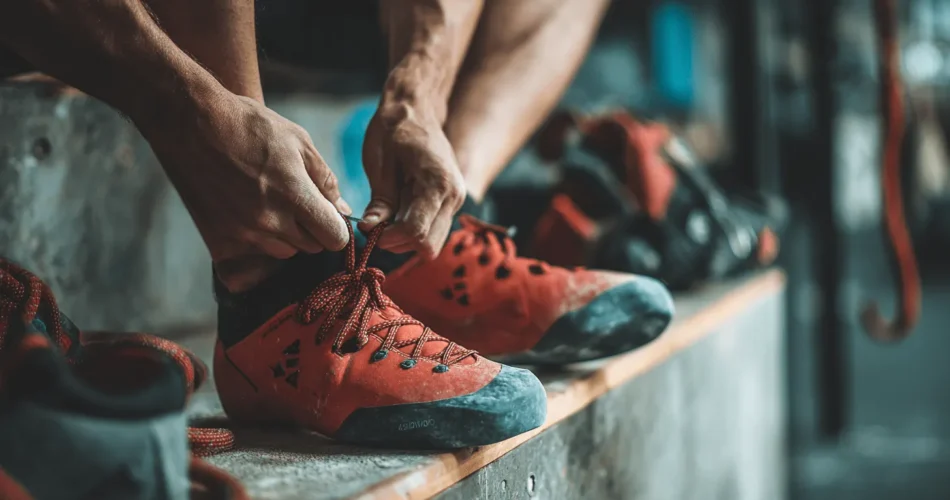
If you’ve ever stepped onto the rock or into a climbing gym, you know that the right clothing isn’t just about looking the part—it’s a critical factor in your performance, mobility, and overall safety. Rock climbing places unique, extreme demands on your clothing, requiring a perfect synthesis of rugged endurance and fluid ergonomics.
Whether you’re gearing up for a sunny day at the crag, a high-mileage approach in the mountains, or a session at the indoor gym, here is your essential guide to what to wear rock climbing.
Related Articles
How to Choose Climbing Pants
How to Stretch Out Tight Rock Climbing Shoes
What Muscles Does Rock Climbing Work?
The Triad of Performance: Flexibility, Durability, and Breathability
Technical climbing apparel must be engineered around three requirements: maximum flexibility (mobility), superior durability (abrasion resistance), and dynamic weather adaptability (thermal regulation). Good climbing clothes are designed to adjust instantly to dynamic movements while regulating your body temperature.
Why You Must Avoid Cotton for Active Climbing
When selecting performance fabrics, you must generally avoid non-blended cotton. Cotton absorbs moisture, such as sweat, far more than wool or synthetic materials, and it dries very slowly. This absorbent nature means cotton retains moisture, leading to a damp, “clammy feeling” when your activity level drops. In cooler conditions, this loss of insulation capacity poses a significant risk of hypothermia.
| Material | Primary Benefit | Wicking/Drying Speed | Odor Retention | Recommended Use |
| Synthetic (Polyester/Nylon) | Fast Moisture Transfer, Durability | Excellent (Fastest) | High (requires washing) | High-output activity, Gym/Sport Climbing |
| Merino Wool | Thermoregulation, Comfort Range | Good (Moderate) | Very Low | Alpine base layers, multi-day comfort |
| Cotton (Non-Blended) | Casual Comfort | Poor (Slowest) | Moderate | Generally avoided for performance climbing |
The Power of Technical Fabrics
Your kit should rely on fabrics that actively manage sweat.
- Synthetics: Fabrics like nylon and polyester are favored for their superior durability, abrasion resistance, and quick-drying capabilities. They wick sweat away from the skin efficiently, making them ideal baselayers for high-output, sustained activities.
- Merino Wool: This natural fiber offers the largest comfort range, keeping you warmer when it’s cold and cooler when it’s hot. It is also highly durable and naturally resistant to retaining body odor.
- Spandex (Elastane/Lycra): Essential for unrestricted movement, spandex is blended with other fibers (like nylon or polyester) to provide the necessary stretch for high steps and complex maneuvers without sacrificing durability.
Bottoms: Engineered for Movement
Climbing relies heavily on complex leg movements like high steps, heel hooks, and wide stemming. Your pants, leggings, or shorts need to allow for this full range of motion without restricting you.
Climbing Pants: Durability Meets Mobility
Climbing pants are a popular choice both indoors and outdoors, often made with durable technical synthetics or cotton blends.
Essential Features to Look For:
- Articulated Knees: Knees sewn on a curve improve durability and allow the pants to move naturally during high steps.
- Gusseted Crotch: A panel of fabric sewn into the crotch fundamentally increases your range of motion and prevents the pants from binding or tearing during demanding moves.
- Low-Profile Waistband: The waistband should be designed to lay flat and sit comfortably above the waist belt of your harness, preventing uncomfortable bulk or chafing. Integrated waistband cinches are great low-profile alternatives to bulky external belts.
- Cuff Cinches: Elastic loops at the hem that cinch around the ankle, preventing excess fabric from hiding your critical footwork.
Leggings vs. Shorts
While pants offer maximum skin protection against scrapes and abrasion, other options are preferred depending on the heat or discipline:
- Leggings (Yoga Pants): Offer unmatched flexibility and a snug fit that prevents excess material from bunching under a harness, making them practical for bouldering and gym training. Look for abrasion-resistant, stretchy fabrics.
- Shorts: Ideal for hot days or non-air-conditioned gyms, as they maximize airflow. Be aware that shorts offer the least coverage, increasing the risk of skin scraping against the wall.
- Fit is Critical: Whether you choose pants, leggings, or shorts, ensure the fit is streamlined. If clothing is too loose or baggy, it creates a significant risk of snagging on the rock or the climbing rope, compromising safety. If clothing is too tight (like non-stretch denim), it can physically impede your movement.
Tops and Layering Systems for Outdoor Climbing
Your choice of upper-body wear should prioritize moisture-wicking capability and movement, especially in the shoulders and arms.
Layering for Variable Conditions
Effective thermal management outdoors hinges on the intelligent application of a layering system, which allows you to adapt instantly to rapid shifts in temperature and exertion.
The Layering System has Four Components:
| Layer Component | Primary Function | Material Choice | Notes |
| Baselayer | Transports sweat away from the body. | Technical synthetics (for fastest wicking) or Merino wool (for maximum comfort range). | Essential for staying dry and preventing chilling. |
| Midlayer | Traps warm air and provides insulation. | Fleece (high breathability for continuous movement) or Synthetic Puffy (retains warmth when wet). | Used as active insulation while climbing (fleece) or static insulation during breaks (puffy). |
| Outerlayer (Shell) | Protection from wind and precipitation. | Softshell (highly breathable, water-resistant for active use) or Hardshell (fully waterproof/windproof storm protection). | Should be lightweight and packable, especially in alpine environments. |
| Belay Puffy | Optimum, static warmth. | Down (best warmth-to-weight ratio in dry climates) or Synthetic (maintains warmth when wet). | Put on immediately when stopping movement, such as while belaying. |
Footwear: The Critical Connection
You need two distinct types of footwear for outdoor climbing: one for the vertical route itself, and one for the technical path leading up to it.
1. Climbing Shoes
These are your most important gear. Climbing shoes should fit snugly to ensure optimum support and sensitivity while climbing, allowing you to trust your feet on small holds and smears. They should provide the precision needed for technical, vertical terrain.
2. Approach Shoes
Approach shoes are a hybrid between climbing shoes and hiking footwear, designed to move confidently over rocky, exposed terrain en route to the crag. They are essential for scrambling up steep grades, navigating talus fields, and downclimbing from multi-pitch routes.
| Key Feature | Functionality |
| Outsole Design | Made with sticky rubber (like Vibram Idrogrip or Megagrip) for superior friction and traction on rock, enabling smearing and edging on low-grade climbing moves. |
| Toe Protection (Rand) | A reinforced toe cap and rand (rubber around the midsole) protect the shoe from abrasion and allow for extra precision when smearing or edging. |
| Fit | Should fit snugly to optimize precision, though not as tight as a climbing shoe. For long hikes, you might size up a half-size for comfort, provided the shoe has a customizable lacing system. |
| Packability | Approach shoes should be lightweight and packable, as you will carry them on multipitch routes. Models like the La Sportiva TX2 EVO feature a hidden rubber band to secure them together and reduce bulk. |
Safety and Accessories: What to Include, What to Skip
Essential Accessories
- Chalk and Chalk Bag: Chalk (magnesia) is vital for ensuring dry hands and a secure grip, reducing the risk of slipping caused by sweaty palms.
- Head Protection (Helmet): A climbing helmet is a must for virtually all outdoor roped climbing, offering protection from falling rock or dropped gear, or impact against the wall.
- Wear a helmet when: Multi-pitch or big wall climbing, traditional (trad) climbing, mixed climbing, ice climbing, or outdoor sport climbing routes known for loose rock or high-risk falls.
- Helmets are generally unnecessary when: Indoor climbing, outdoor bouldering, or low-risk, single-pitch outdoor sport climbing.
- Belay Glasses: Relieve neck strain when belaying by providing a better view of the climber above.
- First Aid Kit & Multi-tool: Always carry a compact first aid kit and a multi-functional tool or climbing knife for repairs or rope emergencies.
Critical Safety Alert: Jewelry and Watches
Certain accessories must be removed entirely before climbing to prevent serious injury.
- Metal Rings: Metal rings must be removed before climbing. The biggest concern is ring avulsion (degloving injury), which occurs if a metal ring catches on a hold or gear during a fall, potentially causing catastrophic damage to the hand. If you must wear a ring, opt for a silicone band, as these break under load.
- Watches: Watches can make crack jamming difficult and can get scratched. A critical safety risk arises if you attempt to clip a watch near the belay loop and mistakenly clip your belay carabiner around the watch instead of the belay loop, which means your partner is not securely on belay.
Dressing for Different Climbing Disciplines
The ideal climbing outfit is a scalable system based on the environment.
| Climbing Discipline | Top Priority | Bottoms Priority | Key Outerwear |
| Indoor Climbing / Bouldering | Breathability and Wicking | Maximum flexibility (leggings or stretchy athletic shorts) | None, or light fleece for warm-up |
| Outdoor Cragging (Mild Weather) | Sun protection, Moisture Wicking | Durability; stretchy climbing pants or rugged shorts | Lightweight, packable wind/rain shell (for sudden weather shifts) |
| Alpine/Cold Weather | Full layering system; thermal regulation | Insulating base layers under softshell or hardshell pants | Mandatory hardshell (for storms) or softshell (for active climbing), plus a belay puffy |
| Crack Climbing | Maximum skin coverage | Extra-tough, durable fabric to resist abrasion | N/A |
Conclusion
Rock climbing demands highly specific attire that prioritizes performance and safety above casual comfort. By choosing the right gear—flexible, durable pants with articulated joints; moisture-managing synthetic or wool tops; and the appropriate layering system for the weather—you ensure your focus stays on the route, not on distractions. Remember, technical performance is intrinsically linked to safety; always remove metal jewelry and ensure your apparel integrates seamlessly with your harness. Get dressed for success and climb on!