
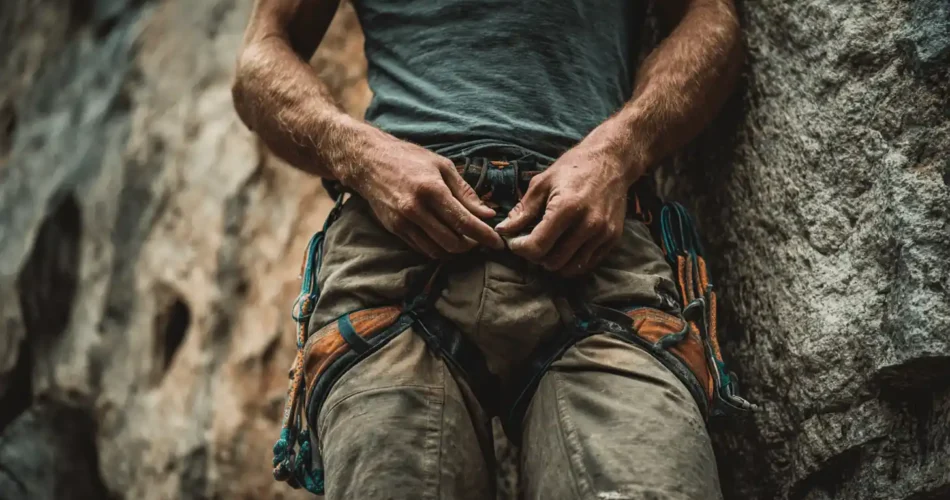
Hey fellow dirtbags and gym rats! So you’ve decided it’s time to stop climbing in your cut-off jeans or those ancient sweats, and you’re looking for the perfect pair of climbing pants. Good call! While the pioneers of the sport definitely sent routes in thrift store slacks and canvas workman’s pants, modern technical gear offers a huge boost in safety and performance.
Choosing the right pair isn’t just about looking good (though that helps—”look good, climb good” is basically the mantra). Your pants play a huge role in comfort, movement, and whether you get stopped short on that crucial high step.
Here’s a comprehensive guide to finding the bottoms built for your next send, tailored to your specific climbing style.
Related Articles •
What to Wear Rock Climbing
How to Stretch Out Tight Rock Climbing Shoes
How to Increase Grip Strength for Rock Climbing
The Performance Triad: Mobility, Durability, & Climate Control
Selecting climbing pants involves balancing three main factors: mobility, durability, and environmental management (like breathability and weather resistance). Optimizing one often means a trade-off in another.
For example, a super durable, weather-repellent pant needed for alpine climbing might sacrifice some breathability compared to lightweight pants designed for a warm gym session. Your job is to decide which metric matters most for your specific adventure.
Decoding Materials: What Your Pants Are Made Of
The performance of your climbing pants is dictated by the fabric’s DNA. Modern apparel often uses blends to combine the best traits of natural and synthetic fibers.
Primary Fabric Comparison
| Material | Key Advantage | Key Disadvantage | Best For… |
| Cotton | Supreme comfort, highly breathable (when dry), good tear resistance (canvas/denim), soft feel, doesn’t retain odors | Absorbs water and dries slowly (“cotton kills”), prone to wear and tear | Bouldering, gym use, long routes in hot, dry conditions |
| Nylon/Polyamide | Very strong, highly durable, abrasion-resistant, quick-drying | Tends to retain body odor, less breathable than cotton | Alpine, trad, multi-pitch, and high-wear activities |
| Polyester | Lightweight, wicks sweat quickly, quick-drying, abrasion-resistant | May retain odors and bacteria, can cause sweating | High-intensity activities, sport climbing, hot weather |
| Spandex/Elastane | Maximum stretch (flexibility and comfort), retains shape well | Adds weight, absorbs moisture (slows drying), prone to bagging out if too much is used | Universal feature in high-performance pants |
| Softshell | Stretchy, abrasion resistant, provides some wind resistance and water repellency | Generally less breathable than single-weave fabrics | Technical terrain, variable conditions, light weather protection |
The Stretch Factor: How Much is Too Much?
Stretch is vital for executing high steps and mantels without restriction. This flexibility usually comes from Spandex (Lycra or elastane).
However, too much spandex means slower drying and poor recovery (the pants “bag out” and lose shape until washed). For technical climbing, designers usually limit spandex to about 10% in warmer pants to ensure quick drying, but very light fabrics can handle up to 15%.
Blended Fabrics
Blends are the best all-rounders, combining the natural comfort of fibers like wool or cotton with the durability, shape retention, and quick-drying properties of synthetics. For instance, a synthetic core wrapped in Merino wool (corespun technology) enhances durability, improves fit, and speeds up moisture removal.
Fit and Kinetic Design: Move Like a Spider
Fit is absolutely critical—you need maximum freedom of movement for complex biomechanical actions. If your clothing is too restrictive, it could stop you mid-move.
Essential Design Features
- Gusseted Crotch: This is non-negotiable! A triangular or diamond-shaped piece of fabric sewn into the crotch redistributes stress, preventing seam blow-out during high steps and reducing chafing from your harness leg loops.
- Articulated Knees: These are curves sewn into the knee area that give the pants a natural bend. This allows the fabric to move fluidly when you lift your leg high, preventing binding.
- Harness-Compatible Waistband: If you plan on doing anything involving a rope, look for a low-profile waistband, often integrated with a drawstring or soft belt, that sits comfortably above your harness waist belt to prevent pinching and chafing.
- Pockets: For multi-pitch or alpine routes, look for zippered thigh pockets. Traditional hand or back pockets are often inaccessible or uncomfortable when you’re hanging in a harness.
- Cuff Cinches: Drawstrings, elastic loops, or snaps at the ankle allow you to tighten the hem. This is huge for precision, as it keeps excess fabric out of the way so you can clearly see your delicate footwork.
Test Drive Before You Buy!
Don’t just stand in the dressing room! Climbing pants should feel trim but not tight. Try these moves to ensure they are up to the task:
| Movement Test | Why It Matters | What to Look For |
| The High Step | Tests flexibility and crotch articulation | Lift your knee as high as you can (onto a chair). If the knee bend is uncomfortably tight or you feel the crotch seam straining, choose a larger size or a stretchier pair. |
| The Wide Stem | Tests side-to-side and front-to-back mobility | Step your legs wide apart. Restriction indicates insufficient stretch. |
| The Stationary Jog | Tests waistband security and comfort | Run in place for a minute. If the pants slip, they are too loose. If they chafe, you may need a softer fabric. |
Matching Your Pants to Your Adventure
The right pants depend entirely on whether you’re indoors or tackling a multi-day alpine route.
| Discipline | Priorities | Material Profile | Need-to-Know Features |
| Bouldering & Gym | Maximum comfort, stretch, breathability, and style | Lightweight cotton or technical lightweight synthetics/tights | Elastic waistband, minimal bulk. |
| Sport Cragging | Durability, mobility, quick-drying capability | Nylon/Polyester blends are preferred over pure cotton. | Trim fit, articulated knees, cuff cinches for footwork visibility. |
| Alpine/Multi-Pitch | Safety, weather protection, quick-drying, harness compatibility | Synthetic fabrics with DWR finish (Softshell is great). | Zippered thigh pockets, low-profile waistband, room to wear baselayers underneath. |
| Trad/Crack Climbing | Extreme abrasion resistance and protection | Heavyweight fabrics (like canvas or reinforced synthetics). | Reinforcement patches (e.g., Cordura nylon) on the knees and seat. |
Care & Longevity: Keeping Your Gear Fresh
You paid good money for technical climbing apparel, so take care of it! Proper maintenance is key to keeping your gear performing well and extending its lifespan.
- Mind the Heat: Synthetic materials like nylon, polyester, and spandex are sensitive to high temperatures and can melt, shrink, or deform if exposed to high heat. Always check the care label.
- Skip the Softener: Never use bleach, powder detergent, or fabric softener. Fabric softeners can clog the pores in technical fabrics, which seriously degrades their breathability and waterproofing.
- Air Dry Preferred: Technical clothing should be air-dried flat on a rack. Do not stretch or wring these fabrics.
- DWR Boost: If your waterproof gear isn’t repelling water well, a quick tumble dry on medium heat can actually reactivate the DWR treatment.
- Repair Promptly: After tough days, always check high-friction areas, especially the crotch seam, for wear. Patching a small hole immediately prevents a catastrophic tear later.
Ready to Research More?
If you’re looking to dive deeper into outdoor apparel, durability, or specific repair tips, many retailers stock specialized guides and books.
- Guide Books and Maps: For comprehensive knowledge on navigating routes and finding new terrain.
- The Complete Guide to Outdoor Clothing: Look for guides in this series, covering topics like layering systems, midlayers (fleece), insulated jackets, and hiking socks.
(Note: While specific purchasing links are not available, check reputable outdoor retailers like Alpkit for their selection of Guide Books and Maps).
Wrap up: The Best Pant is the One You Wear
Choosing climbing pants isn’t rocket science, but understanding the materials and design features will definitely boost your performance.
Whether you opt for the extreme durability of a Cordura-reinforced trad pant or the soft, stretchy comfort of a cotton jogger for the gym, remember this final reality check: The best climbing pant is the one you actually wear. Comfort, fit, and appropriateness to your activity matter more than checking every single technical box.
Now go test out those high steps!