
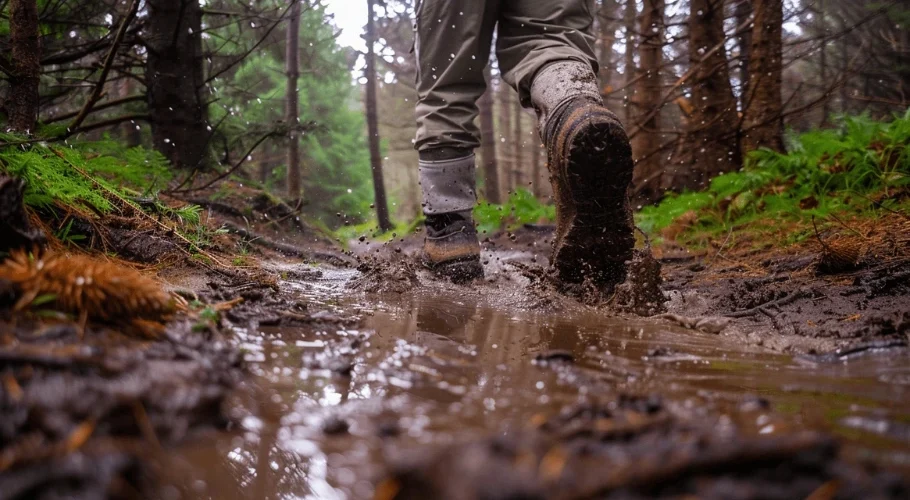
We’ve all been there: you’re crushing miles on a beautiful trail, feeling like a total mountain athlete, and then—crunch. A tiny, jagged pebble finds its way into your shoe. You try to ignore it, but within ten minutes, it feels like you’re walking on a LEGO brick.
This is where gaiters come in. If you’ve seen hikers wearing what look like “mini-trousers” over their boots and wondered if they’re actually useful or just high-fashion for squirrels, you aren’t alone. Let’s break down whether these “tube tops for your legs” are a trail necessity or total overkill.
What Exactly Are Gaiters?
Think of a gaiter as a protective “sleeve” or fabric guard that seals the gap between your trousers and your boots. They wrap around your ankle or calf and usually secure under your boot heel with a durable strap (the instep strap) and a hook that attaches to your laces.
Their primary job is simple: keep the outside world out of your shoes.
Why You Might Actually Need Them (The Pros)
While they aren’t “essential” for every stroll in the park, they are subtle but critical pieces of gear for specific conditions.
- Debris Deflector: They block gravel, dust, pine needles, and those annoying little seeds that act like Velcro on your socks.
- The “Wet Sock” Savior: Even with waterproof boots, water can run down your legs and right into the top of your shoes. Gaiters create a “shingled” effect that sheds rain and snow.
- Insect & Tick Barrier: In the UK and US, ticks are a growing concern. Ticks usually climb onto legs from tall grass; gaiters provide a physical barrier. Pro tip: Spraying them with Permethrin can increase this protection by over 70 times.
- Bushwhacking Armor: If you’re heading off-trail, they protect your shins from thorns, stinging nettles, and “leg-destroying” undergrowth.
- Eco-Friendly Hiking: In muddy conditions, people often walk around puddles, which widens trails and kills vegetation. Gaiters let you walk right through the muck without ruining your day, keeping the trail narrow and healthy.
When Are They “Overkill”?
If you are strictly a fair-weather hiker on well-maintained, dry, flat paths, you probably don’t need full-length mountaineering gaiters. Taller gaiters restrict airflow and can make your legs feel like they’re in a portable sauna during the summer.
Choosing Your Weapon: The Gaiter Hierarchy
Not all gaiters are created equal. You need to match the height to your mission.
| Gaiter Type | Height | Best Use | Key Benefit |
|---|---|---|---|
| Low / Ankle | 5–7 inches | Trail running, summer hiking | Ultra-light; keeps out pebbles and sand |
| Mid-Calf | 8–12 inches | Wet grass, light rain, scree | Good balance of protection and breathability |
| Full / Knee-High | 15–18 inches | Deep snow, heavy mud, bushwhacking | Maximum protection and extra insulation |
Top Picks for 2025/2026
Based on extensive trail testing, here are the standout performers you should consider:
1. Best Overall: Kahtoola RENAgaiters
These are the gold standard for 3-season hiking. They are made of a tough, breathable nylon and feature a durable YKK zipper that makes them easy to put on.
- Why we love them: Supremely comfortable directly on the skin and incredibly durable.
2. Best for Thru-Hiking: Dirty Girl Gaiters
Don’t let the name fool you—these are a cult favorite for a reason. They are ultralight spandex sleeves that come in wild patterns (like bacon print!).
- Why we love them: At only ~1 ounce, you’ll forget you’re wearing them, but your socks will stay remarkably clean.
3. Best for Winter/Budget: Outdoor Research Rocky Mountain High
A classic, no-nonsense full-length gaiter. They are durable enough to survive years of tough conditions but affordable enough for the casual adventurer.
- Why we love them: They offer great coverage for snowshoeing or muddy spring hikes without breaking the bank.
4. The Heavy Artillery: Outdoor Research Crocodile
These are essentially armor for your legs. Built with GORE-TEX and Cordura, they are designed for mountaineering and waist-deep snow.
- Why we love them: They can withstand crampon spikes and even the occasional snake strike (though maybe don’t test that last one).
How to Wear Them (Without Looking Like a Newbie)
A common mistake is putting them on the wrong legs!
- Buckles to the outside: Always ensure the instep strap buckles are on the outside of your feet so you don’t trip over them while walking.
- Front and Center: The hook-and-loop (Velcro) or zipper should generally face forward.
- Lace Hook: Attach the hook as far down your laces as you can reasonably reach to create a tight seal.
- The “Pro” Rain Tip: In a total downpour, wear your gaiters under your rain pants. This creates a “shingle” so rain flows off the pants and over the gaiter instead of into it.
Final Verdict: Worth it or Overkill?
Gaiters are worth it if you’re tired of stopping to shake rocks out of your boots, if you hike in tick country, or if you refuse to let a little mud or snow stop your adventure. They are a small investment that extends the life of your expensive hiking boots and keeps your feet blister-free.
Think of gaiters like a good insurance policy: you might not need them every mile, but on that one muddy, prickly, or snowy day, you’ll be incredibly glad you have them in your pack.
Information for this post was drawn from professional gear reviews and expert hiking guides (2025/26 editions). ****